SUSHISOM
SANTIAGO DE COMPOSTELA

Nabe vs. hot pot: two ways to share a broth (and why we love them)
What Japanese nabe is compared with hot pot (origin, tableside cooking, broth style and sauces). And why we love these social experiences (ritual, pace and conversation). Japanese cuisine beyond sushi.
Nabe and hot pot: the same social idea, different personalities
Tableside cooking sums up the essence of both: a pot bubbling in the middle, ingredients going in and out, conversation and good company.
- Japanese nabe: cleaner broths (kombu, mild miso, shoyu), with vegetables, tofu and thin slices of meat or fish taking center stage. The gesture is minimalist: cook, dip, eat.
- Hot pot (China): intense, sometimes spicy broths, two broths in the same pot (“yin-yang”), a wide range of meats, mushrooms, vegetables and noodles; bolder sauces (sesame, garlic, chili).
In both cases, the heart is the same: sharing, choosing together, cooking at your own pace.
Important: Sushisom does not serve nabe or hot pot. Even so, in this post we explain what they are so you can learn a little more about Asian cuisine.
Broths and sauces: the DNA of the broth
Japanese nabe (a “clean” profile)
- Bases: kombu dashi, mild shoyu, light miso.
- Typical ingredients: tofu, mushrooms, Chinese cabbage, white fish or thin slices of meat; short cooking, delicate texture.
- Sauces: ponzu (citrusy, light) or goma-dare (mild sesame). The goal: respect the flavor.
Hot pot (an “expressive” profile)
- Bases: spiced broth (málà), tomato, mushrooms; sometimes a split pot with one mild side and one spicy side.
- Ingredients: a huge variety, from thin slices of beef to sweet potato noodles; the broth seasons them too.
- Sauces: creamy sesame, garlic, cilantro, chili oil; here the fun is in personalizing.
What they share: nobody is in a hurry here; the food sets the pace and the conversation follows.
Pure sociability: why “tableside cooking” hooks us
- Shared choices: deciding together what goes in and when.
- Pace and pauses: while the broth does its work, the conversation grows.
- Textures and contrast: from soft tofu to the bite of a mushroom; from mild to spicy.
- A shared memory: everyone took part; everyone “cooked”.
If you like that dynamic, at Sushisom Spain you can bring the same vibe to the table with the Infinity Menu: order a little and repeat, try things together, compare textures and build a “slow-motion” evening.
What you CAN share at Sushisom (and how to create your own “ritual”)
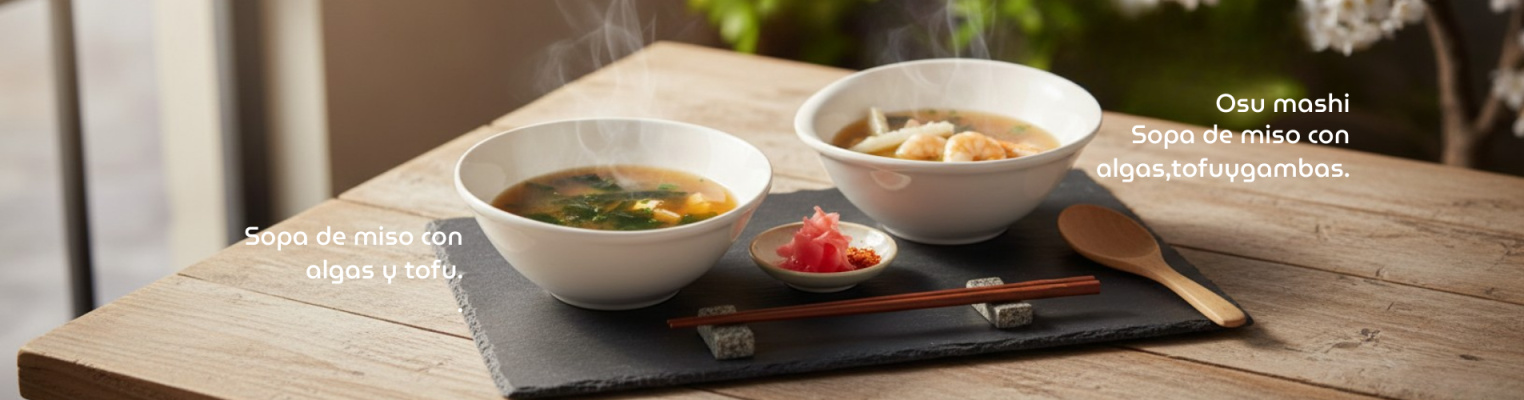
There is no pot on the table, but there is a social table. Here are some real routes through the menu to capture that spirit.
1) A “central table” of contrasts (ideal for 3–4 people)
- A cold start in the middle: wakame salad, salmon sashimi or mixed sashimi.
- Texture in the spotlight: Ebiten or Rollo especial ebi (topped with kataifi pastry) and Futo ebiten (futomaki with kataifi).
- Freshly made crunch: Ebi tempura and Yasai tempura (order them right when you are ready to eat them).
- A warm finish: flame-seared salmon nigiri or salmon cheese fire nigiri.
Why it works: just like with nabe/hot pot, there are sequences, intentional waiting (when the crispy dishes arrive) and conversation about textures.
2) A “mild/spicy comparison” (yin-yang spirit)
- Mild: sea bass nigiri, salmon nigiri, salmon sashimi.
- With a kick: spicy tuna temaki, spicy tuna gunkan and, if you feel like it, a flame-seared tuna nigiri afterwards.
Why: you recreate the two-broth game, one clean and one with a spark.
3) “Explorers” (lots of swapping)

- Gunkan to introduce flavors: tobiko gunkan or Gunkan de queso crema.
- A fun handheld format: Temaki ebiten or Temaki California.
- Double crunch: Rollo especial ebi (kataifi) + Ebi tempura.
- To finish: flame-seared salmon nigiri.
Why: it changes the grip, the temperature and the “center of gravity” of each bite, like rotating ingredients in the pot.
Remember: the Infinity Menu (à la carte AYCE) is best enjoyed by ordering a little and repeating. Max. 5 dishes per person per round, unlimited rounds, 1 drink per person (drinks and desserts not included). That steady pace is exactly what makes nabe/hot pot so great.
A mini-guide to sauces and pairings that don’t mask the flavor
- Soy sauce: a dressing, not a bath. Dip the neta (the fish side) when eating nigiri.
- Spicy: better on pieces designed for it (spicy tuna temaki, spicy tuna gunkan) than added to everything.
- Drinks: green/jasmine tea with sashimi and nigiri; sparkling water after crispy dishes (Ebi tempura, kataifi); a light lager as an all-rounder.
Interested in the bases that lift a dish without overpowering it? Check out “ingredients that make the difference”.
Quick etiquette to keep things flowing (and keep the spell unbroken)

- Crispy round: when the Ebi tempura or Yasai tempura arrives, pause and eat it straight away.
- Gunkan: hold it upright and eat it in one bite; if it has a tasty topping (salmon gunkan with spicy soy), go easy on the extra soy sauce.
- Temaki: by hand (not chopsticks). Turn it so each bite has filling + rice + nori.
- Share the conversation and discover favorites: half the fun is talking about what you liked most and ordering it again.
Quick questions (cultural FAQ)
Are Japanese nabe and hot pot the same thing?
They share the idea (tableside cooking), but nabe tends toward clean broths and hot pot toward bold or spicy broths and more expressive sauces.
Do you serve nabe or hot pot at Sushisom Spain?
No. We suggest sharing real dishes from the menu and the Infinity Menu, which offers a similar pace and conversation.
I want “tableside cooking”: what should I order to get something similar?
Set up a central table: sashimi, Ebiten / Futo ebiten / Rollo especial ebi, Ebi/Yasai tempura and finish with flame-seared salmon nigiri. Order the crispy dishes when you are ready to eat them.
Book and come and eat with us.